How to profit from whey demineralization

Mozzarella whey demineralization

Demineralize and concentrate whey using electrodialysis with our RALEX® membranes

Did you know...

You can turn mozzarella whey into valuable resource.
Custom solution based on in-house RALEX® membranes, stacks, and units.

100+ running references with more than 6.900 tons of concentrated whey processed every day. Ask for the full reference list.

Regional offices and service partners around the world ensure tailored care for different customers.

What is mozzarella?

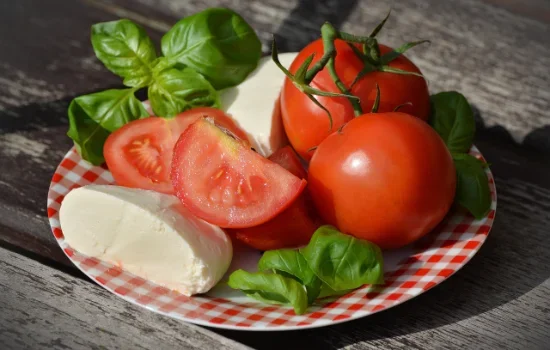
Caprese - mozzarella and tomato

What is mozzarella?

Mozzarella is a popular cheese of Italian origin, known for its soft texture, mild flavour, and stretchability when heated. It is commonly made from cow’s or buffalo’s milk using a process that includes coagulation, cutting the curd, heating, and then stretching – a mechanical treatment in hot water (up to 90 °C) that creates its characteristic elastic strands.

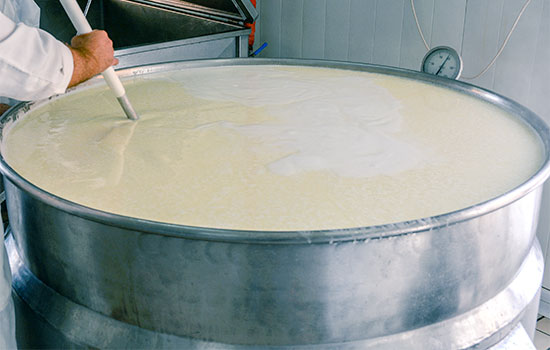
During production, a significant amount of liquid whey is separated. This whey contains water-soluble nutrients such as lactose, minerals, organic acids, and residual whey proteins.

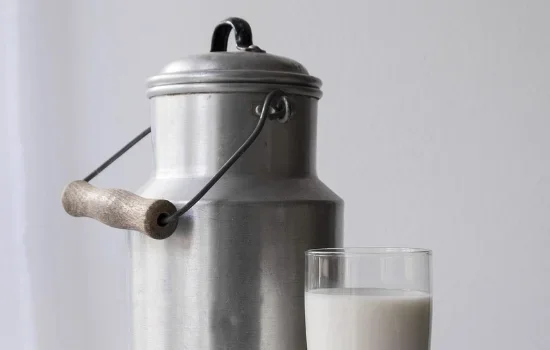
Milk can and glass

Why process mozzarella whey?

Historically, whey from mozzarella production was considered a waste product and was often discharged into the sewer system or used as animal feed. Today, we know that this by-product contains valuable components that can be economically recovered.

In particular, ultrafiltration permeate, which no longer contains proteins, is an ideal candidate for demineralization by electrodialysis. The result is a product with reduced salt and organic acid content, suitable for further processing – e.g. evaporation, fermentation, or as a raw material for animal feed.

Gain maximum out of your raw ingredients

Why process mozzarella whey? pt. 2

However, it is essential to evaluate composition and yield in each specific case – some applications may result in dry matter losses (e.g. 1–3 %) that impact the economics of drying.

Processing mozzarella whey can unlock new business opportunities – even beyond traditional dairy use. It may find applications in the pharmaceuticals, baking, or confectionery industries. But it is always important to assess whether it makes more sense to target the permeate, concentrate, or protein fraction.

Processing mozzarella whey with MEGA electrodialysis

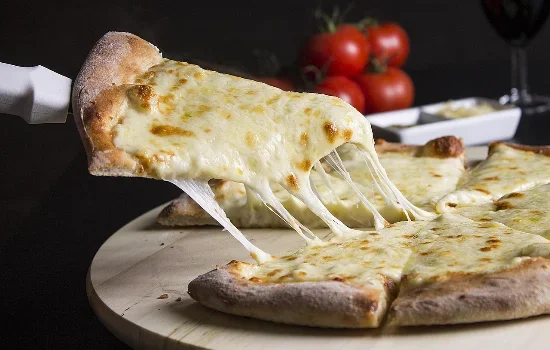
Quattro formaggi pizza

From waste to profit – unlock the full potential of your side streams

Mozzarella production – whether fresh or low-moisture pizza mozzarella – generates a significant amount of whey with every batch. While considered a by-product, this liquid contains valuable components such as lactose and whey proteins.

Part of the whey can be used for ricotta production or as animal feed. However, a large portion – especially ultrafiltration (UF) permeate – often remains underutilized.

This is where MEGA electrodialysis comes in. It can transform these streams into selectively demineralized raw material with various application possibilities. At the same time, it reduces environmental impact while generating economic value.

Caprese tomato mozzarella salad

What type of whey is produced during mozzarella production?

Not all mozzarella is the same – and the same goes for the resulting whey:

Type of Mozzarella Moisture Content Process Temperature Whey Characteristics
Fresh mozzarella High Up to 90 °C during stretching Thinner, higher lactose and mineral content
Pizza mozzarella (LM) Lower Less heat-treated More concentrated, less water, fewer proteins

The type of whey also affects the choice of pretreatment (e.g. UF) and electrodialysis settings.

In all cases, one thing is clear – if you're not utilizing your whey, you're missing an opportunity.

Electrodialysis for mozzarella whey demineralization

Pretreatment options

Before electrodialysis, it is recommended to concentrate the whey using one of the following technologies:

  • Evaporation
  • Nanofiltration
  • Reverse osmosis
We strongly recommend including this step, as these types of pretreatment significantly improve the efficiency of the subsequent ED process. The efficiency of electricity consumption will increase, as will the productivity of electrodialysis.
Electrodialysis for mozzarella whey demineralization

Electrodialysis – a smart solution for modern dairies

Electrodialysis (ED) is a process that uses ion-selective membranes and an electric field to remove dissociated ions from a solution.

The stream of whey or whey UF permeate is passed between alternately arranged anion and cation membranes, with ions migrating through these membranes towards the respective electrodes.

This process is highly selective, requires no chemical regeneration, and allows precise control over the degree of demineralization.

Electrodialysis for mozzarella whey demineralization

In practice, electrodialysis provides:

  • Reduction of Na+, Cl-, Ca2+, lactate, citrate, and other dissociated components.
  • Retention of valuable compounds such as lactose and whey proteins.
  • Gentle processing at low temperatures (8–15 °C).

Mozzarella whey demineralization: What exactly do you gain?

Electrodialysis in Dairy: Unlocking New Potentials for Byproduct Utilization

With electrodialysis, you can obtain a highly desalinated stream of whey or ultrafiltration (UF) permeate.

Use of demineralized whey and whey UF permeate
→ stream suitable for fermentation, animal feed, or as a substrate,
→ potential use in pharmaceuticals, bakery, or confectionery industries.

No chemicals, no brine, no regeneration
→ lower environmental impact compared to ion exchange (IEX).

Technological flexibility
→ can be combined with UF, MF, or drying processes.
In some cases, dry matter loss (1–3 %) may occur during ED and should be considered in the overall return-on-investment calculation.


Mozzarella whey demineralization FAQ

We care about you

MEGA Care - We care about you

MEGA Care saves your money.
Get all the care you need.

24/7 Specialist Hotline
Remote technology diagnostics
Periodical post-warranty checks

MEGA Care reduces downtimes to the necessary technological minimum by active monitoring, prevention, and remote adjustments in advance. Periodical inspections at the point of installation provide three days of exhaustive evaluation during regular production, membrane samples are sent to MEGA laboratory for testing to show early signs of scaling or fouling. Inspections to gather hands-on data together with overall parameters monitoring bring necessary information to ensure reliable performance.

More about MEGA Care

MEGA Care reduces downtimes to the necessary technological minimum by active monitoring, prevention, and remote adjustments in advance. Periodical inspections at the point of installation provide three days of exhaustive evaluation during regular production, membrane samples are sent to MEGA laboratory for testing to show early signs of scaling or fouling. Inspections to gather hands-on data together with overall parameters monitoring bring necessary information to ensure reliable performance.

More about MEGA Care

Interested? Contact us.

Michal Jirdasek

Michal Jirdasek

Key Account Manager

+420 606 387 947 michal.jirdasek@mega.cz
Ales Platzer

Ales Platzer

Sales Manager

+420 702 176 317 ales.platzer@mega.cz
Tereza Hudakova

Tereza Hudakova

Sales Manager

+420 771 122 363 tereza.hudakova@mega.cz